
Type 1 Diabetes
people in Uganda are estimated to have type 1 diabetes. Only 5,200 receive life-saving care.
The body turns on itself.
The body needs insulin. Insulin lets sugar leave the blood and feed the cells. In type 1 diabetes, the immune system destroys the cells that make insulin. No insulin means sugar stays in the blood. The cells starve.
The condition usually appears in childhood. It requires insulin injections every day, for life. There is no cure. But with the right care, a child with type 1 diabetes can live a full and ordinary life.
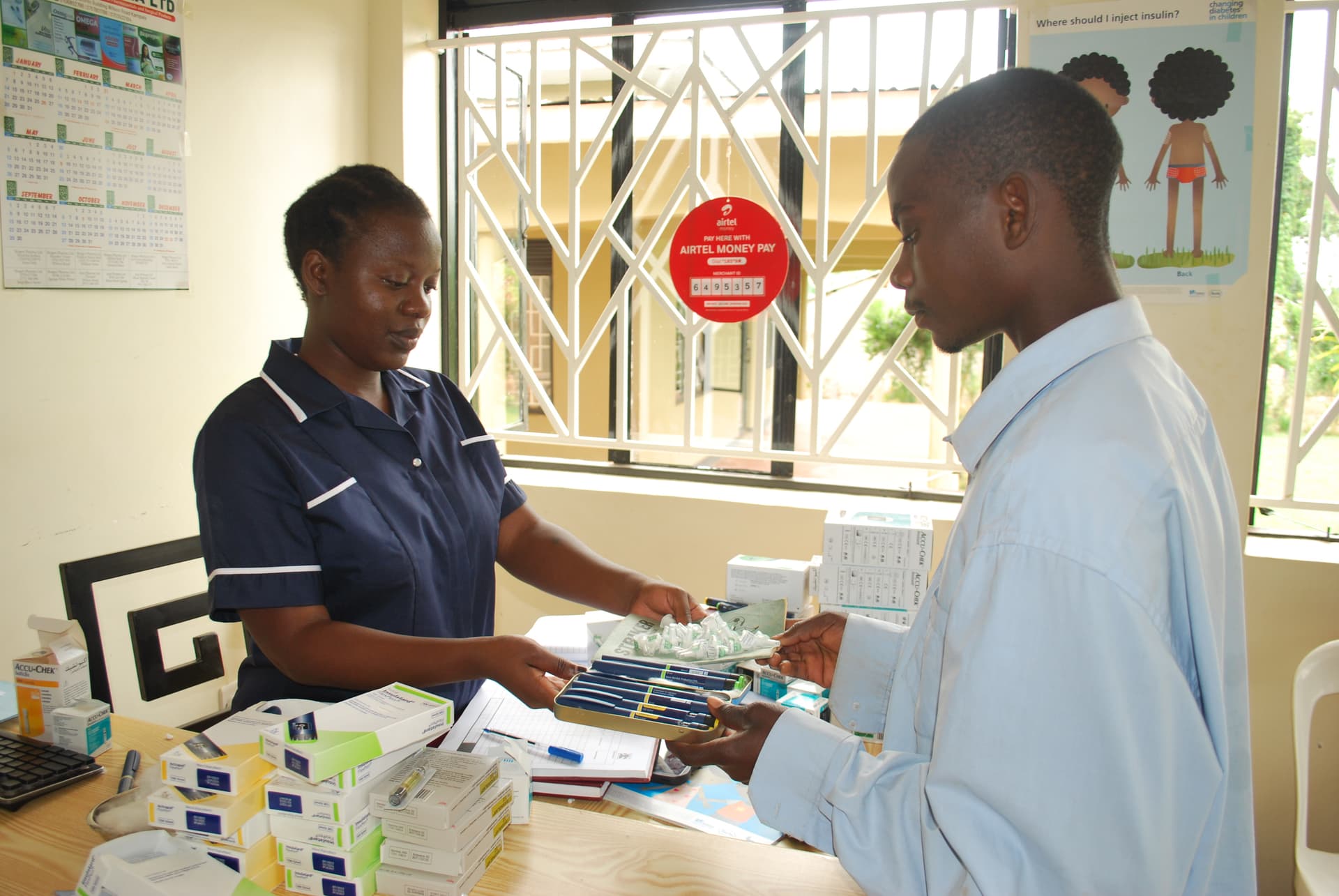
A treatable condition is killing children.
Uganda's Ministry of Health estimates 71,778 people are living with type 1 diabetes. Only 5,200 receive care. The rest are undiagnosed, untreated, or lost to follow-up.
The human cost is measurable. A child diagnosed at age 10 loses an estimated 49 healthy life years — not from the disease itself, but from how Uganda fails to treat it. Incidence is rising 10.6% per year.
What we do
We find children with type 1 diabetes in rural eastern Uganda. We diagnose them accurately. We connect them to insulin, blood glucose monitoring, and diabetes education. Then we stay — tracking every child, every month.
Our navigators work across four districts in the Busoga sub-region. Our Bright Life Medical Centre runs weekly T1D clinic days with specialist reviews, counselling, and crisis support.
One vial of insulin costs less than a cup of coffee. It keeps a child alive for a week.
Your support funds insulin, test strips, navigator salaries, and the clinic days that keep children in care.